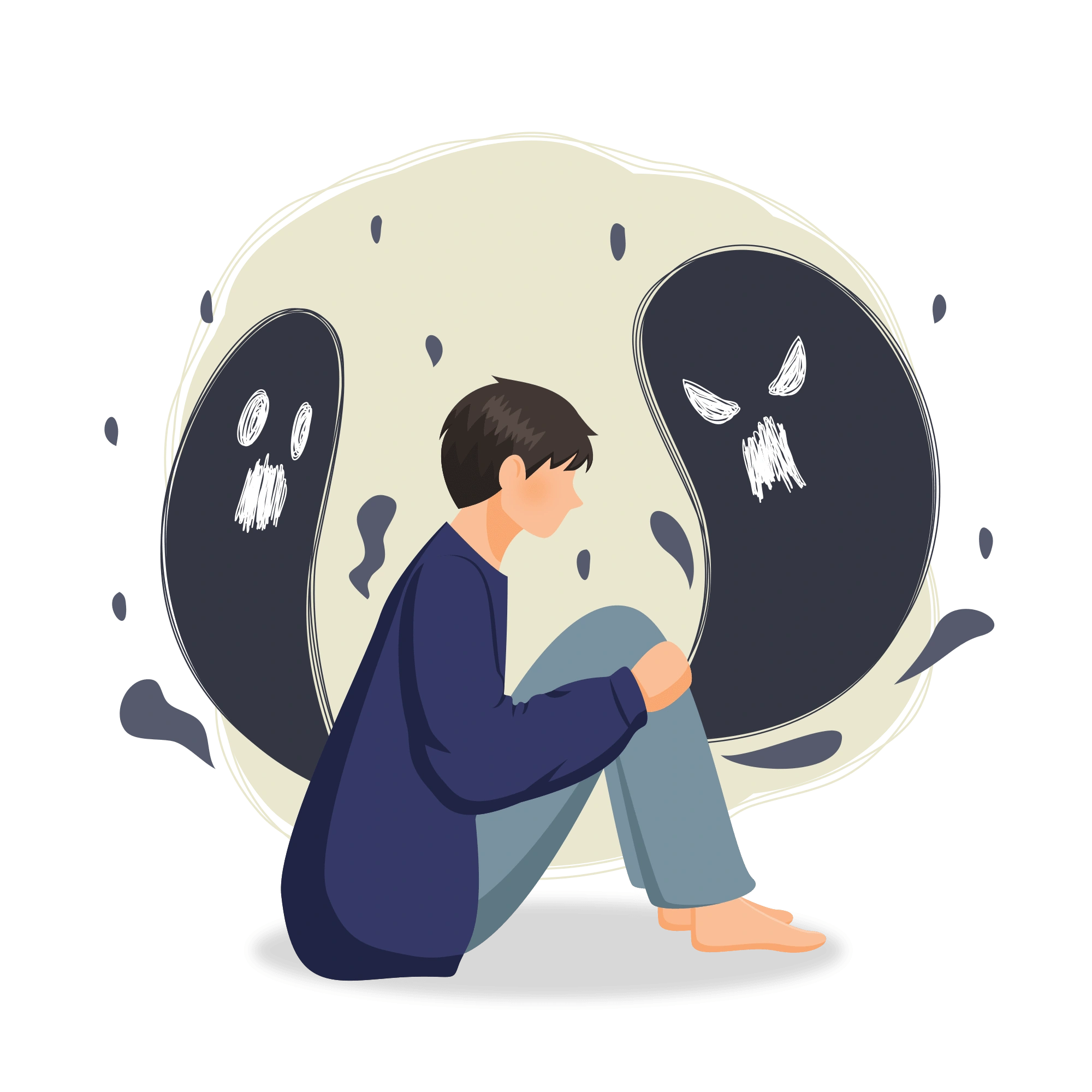
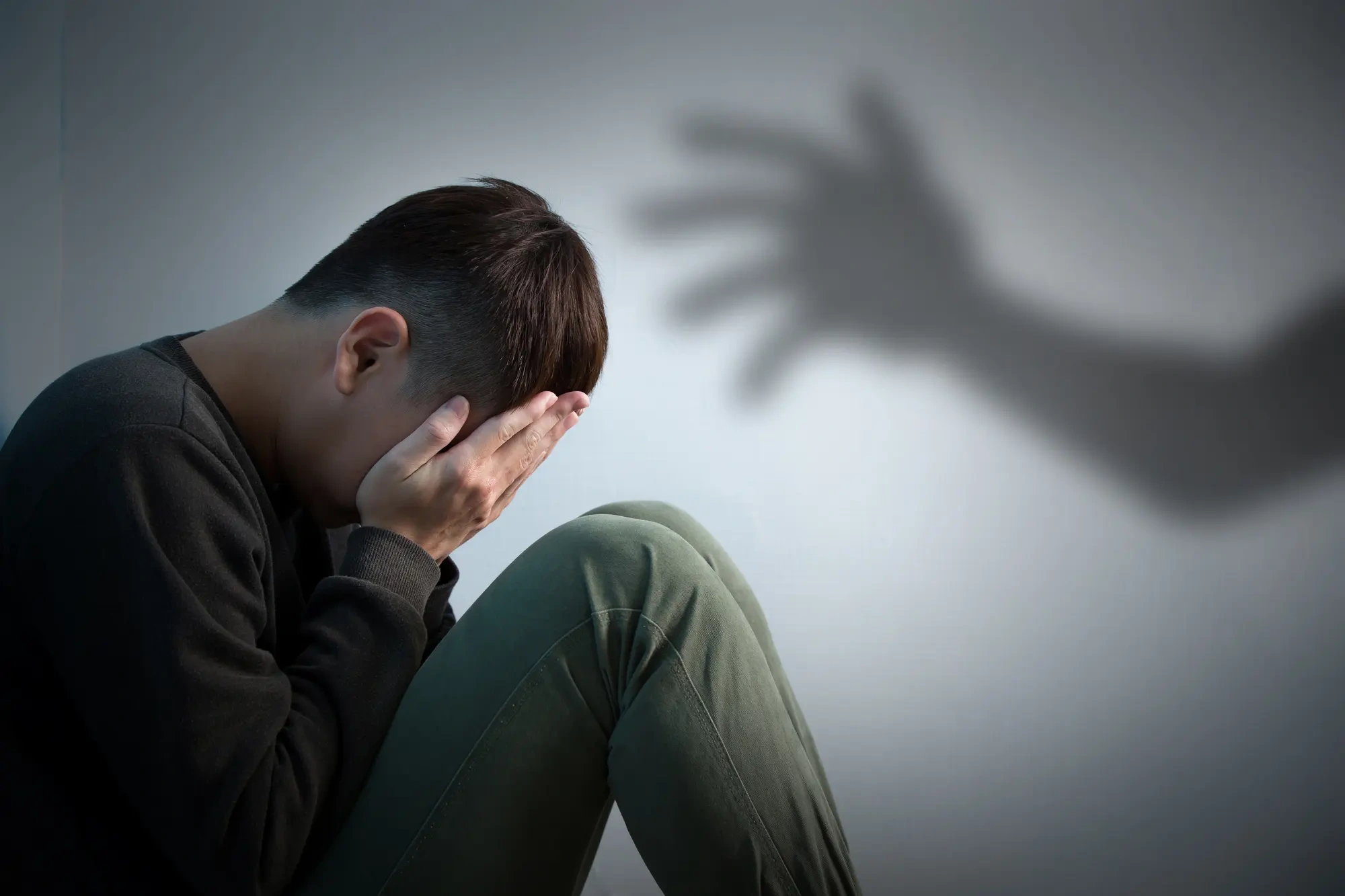
After the trauma has occurred or is witnessed, the development of the Post Traumatic Stress Disorder may occur. Recovery may be assisted by a PTSD specialist or PTSD counselor.
After the incident, people can experience disturbing thoughts and feelings.
•Fear, sadness, anger and detachment, flashbacks and nightmares.
• Eschews of reminders and is very sensitive to touches or loud sounds.
• Diagnosis includes direct or indirect exposure to trauma such as professional repetition.
• Intrusion, e.g. unwanted memories, dreams and flashbacks.
• Eschewing of reminders and conversing.
• Disturbed thinking and mood, such as having negative beliefs about self and others, detachment and guilt.
• Reactivity change, including anger, irritability, reckless or excessive caution, hypervigilance and startle.
CBT serves to redefine meanings and respondental changes.
1. Review the thoughts and beliefs to change counterproductive patterns.
2. Overgeneralising, jumping to conclusions and catastrophic expectations are some of the distortions that need to be addressed.
3. Reminders and emotions should be used in a planned way to decrease avoidance and control.