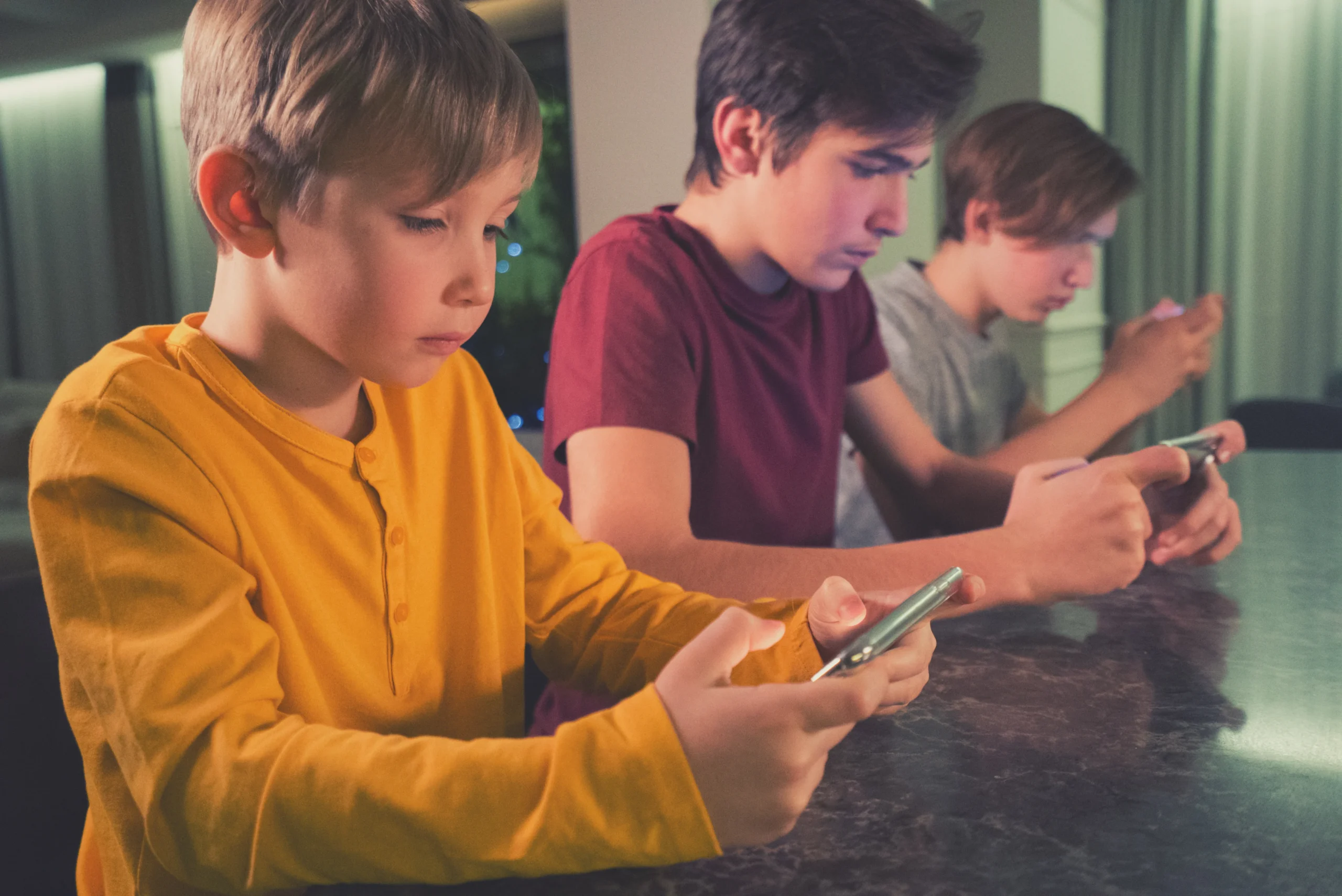
In my therapy room, one question has become increasingly common over the past few years:
“Am I wrong to feel that my child is too young for a smartphone?”
As a psychologist in India, I work with children, teens, couples, and families across cities and even internationally. What I’m noticing is not panic but confusion. Parents are unsure where safety ends and overexposure begins.
Recent studies suggest that giving children smartphones before the age of 12 may be linked to higher risks of anxiety, sleep disruption, and emotional regulation difficulties. And in my clinical experience, I see how early digital access can quietly shape a child’s nervous system long before we realise it.
This isn’t about fear. It’s about timing.
Let me walk you through what I see both in research and in real life.
What the Research Is Beginning to Show
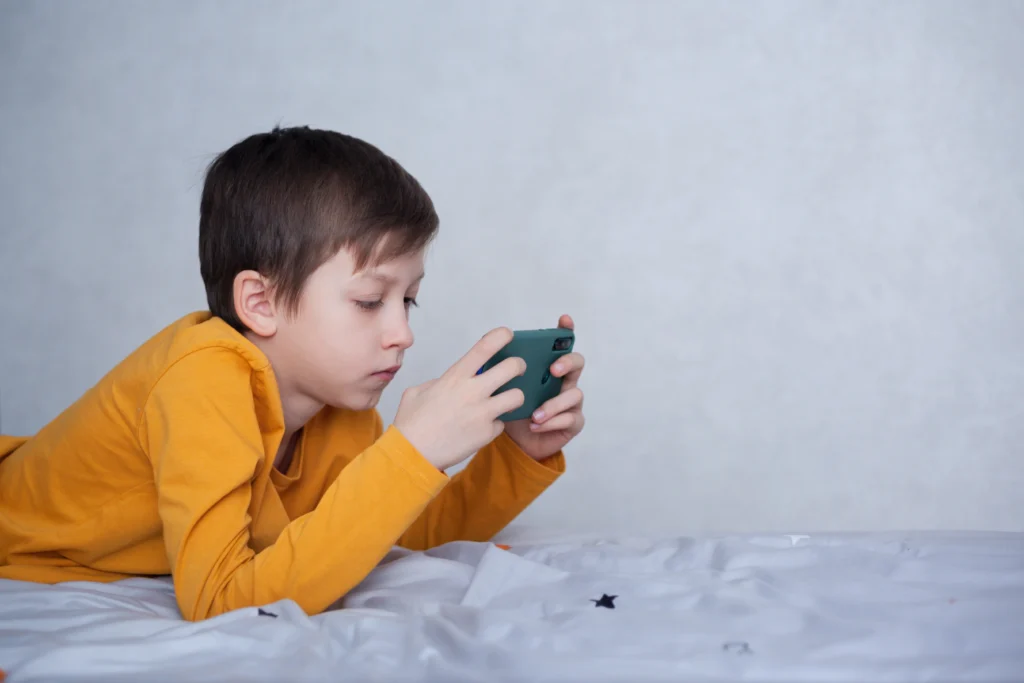
Globally, data from child development studies indicate that children who receive smartphones before age 12 show higher rates of:
- Anxiety symptoms
- Mood instability
- Sleep problems
- Exposure to cyberbullying
In India, smartphone access has grown dramatically, especially post-pandemic. Devices that once served online classes slowly became entertainment portals. What started as necessity became habit.
As an individual therapist, I often work with parents who are surprised at how deeply their child’s emotional state seems connected to screen use.
The brain under 12 is still developing its impulse control and emotional regulation systems. When high-dopamine digital content becomes a daily stimulus, it can change attention patterns and frustration tolerance.
And I see it in my sessions.
1. The Developing Brain Is Not Built for Constant Stimulation
Children under 12 are neurologically wired for exploration, movement, imagination, and face-to-face interaction. Their prefrontal cortex, the part responsible for impulse control is still maturing.
When I conduct child counseling, I often notice something subtle: children who struggle to sit with boredom. They become restless quickly. They seek fast stimulation. They resist slower forms of play.
That’s not a personality flaw. It’s conditioning.
Reels, gaming rewards, endless scrolling these provide rapid dopamine spikes. Over time, the brain begins to prefer high-intensity input. Ordinary activities feel dull.
For children already showing sensitivity or early signs of anxiety or even patterns that resemble chronic post traumatic stress disorder symptoms, overstimulation can amplify nervous system reactivity.
The brain needs quiet to build resilience.
2. Sleep Disruption Is the Silent Trigger
One of the strongest associations in research is between early smartphone ownership and sleep disturbance.
I see this repeatedly.
As a family therapist in mumbai, I often begin by asking one simple question: “Is the phone in the bedroom at night?”
Blue light suppresses melatonin. Notifications keep the brain alert. Even if the child insists they are “just watching one video,” the nervous system remains activated.
Sleep deprivation in children leads to:
- Irritability
- Emotional reactivity
- Reduced academic focus
- Heightened anxiety
Sometimes families approach me seeking Anxiety management programs in Mumbai, but when we gently restructure sleep and device boundaries, symptoms improve significantly.
Sleep is not a small factor. It is foundational.
3. Emotional Maturity and Social Media Don’t Match
Children under 12 are concrete thinkers. They do not yet have the emotional filters required to process comparison, online rejection, or exposure to adult content.
In child counseling, I now hear language that used to appear in teenagers:
“I’m not good enough.”
“No one likes me.”
“I look bad.”
Social media introduces premature social evaluation.
I also work in couple counselling mumbai and premarital counseling, and what I increasingly observe is that early digital conditioning shapes adult attachment patterns — shorter attention spans, difficulty with emotional discomfort, reliance on validation.
The roots often trace back further than we assume.
The Indian Parenting Dilemma
As one of many therapists in mumbai, I see parents caught between fear and practicality.
There’s safety. There’s peer pressure. There’s convenience.
And there’s guilt.
Let me say this clearly: giving your child a phone early does not mean you have failed. But unstructured access without guidance can create challenges.
When families consult me whether in person or through Online psychologist consultation in India, we focus on balance, not punishment.
When Should Parents Seek Support?
If you notice:
- Increased irritability when devices are removed
- Sleep problems
- Withdrawal from offline activities
- Obsessive checking behavior
- Heightened anxiety
It may be helpful to consult a professional.
Sometimes smartphone overuse intersects with anxiety disorders or early compulsive behaviors. In those cases, working alongside Top-rated OCD specialists in Mumbai or structured therapeutic support can help.
In my work across INDIVIDUAL THERAPY, CHILD THERAPY, TEEN THERAPY, GROUP THERAPY, DEPRESSION THERAPY, and trauma-focused care including collaboration with a PTSD specialist in Mumbai when required, I have seen how early emotional intervention makes long-term difference.
Digital habits are modifiable. But the earlier we address them, the smoother the correction.
What I Recommend as a Therapist
As a Licensed psychologist in India, I suggest:
- Delaying personal smartphone ownership when possible
- Keeping devices out of bedrooms
- Creating digital curfews
- Using shared devices rather than private ones
- Having open conversations about online content
I also remind parents that children mirror what they see. If we scroll constantly, they will too.
Healthy modeling is more powerful than strict rules.
Technology Is Not the Enemy, Timing Is the Question
I am not anti-technology. I am pro-development.
Smartphones are tools. But tools require readiness.
As an individual therapist, and someone who also works with Experienced marriage and family therapists in Mumbai and Certified cognitive behavioral therapists in Mumbai, I consistently return to one principle: regulation begins offline.
Children need:
- Outdoor play
- Physical movement
- Emotional coaching
- Real-world friendships
- Boredom
Boredom is not harmful. It builds creativity.
If you are uncertain about your child’s emotional wellbeing, structured assessment including Online depression and anxiety tests in India when appropriate can offer clarity.
Final Thoughts
The question is not, “Can my child use a phone?”
The question is, “Is my child ready for what comes with it?”
Early access is not destiny. But early boundaries are protective.
As a psychologist in india, my goal is not to alarm but to empower. When we understand development, we make better decisions.
If you are concerned about your child’s emotional health, I am here to help.
Practo Profile Line:
Ms. Tanu Choksi is a compassionate and experienced psychologist in Mumbai offering thoughtful, evidence-based therapy for children, teens, couples, and families.
For more insights on parenting, emotional wellbeing, and mindful growth:
Instagram | LinkedIn | Facebook.
Let’s build emotionally resilient families together.