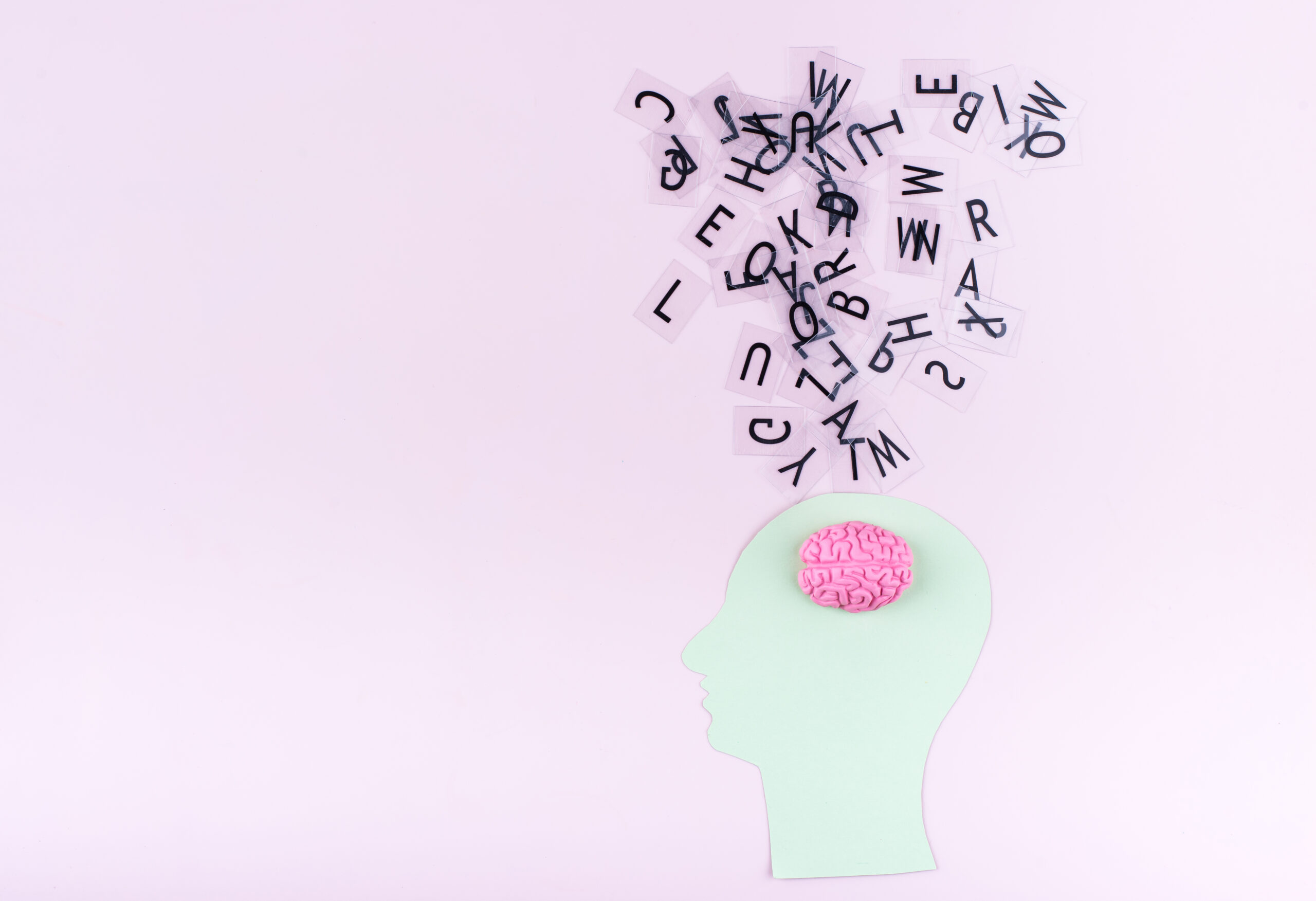
Mid-sentence, a word just doesn’t show up. Not the right one, anyway. The other language’s version arrives first, uninvited, quick laugh, quick “sorry,” and the sentence rolls on a beat later in whichever language it was supposed to be in. Anyone in a bilingual household has watched this happen more times than they could count. From the outside, it looks like a stumble.
It isn’t one.
That tiny hiccup is actually a pretty good window into what a bilingual brain is doing all day, every day: running two full languages at once, both switched on, both quietly competing for the same sentence. Grow up speaking more than one language, or pick one up later, and this stuff gets familiar fast. A word that seems to only exist in one language and not the other, for no obvious reason. A topic that’s just easier to think through in Hindi than in English, and nobody can quite say why. A mid-thought switch that goes completely unnoticed until someone else raises an eyebrow across the table.
Confusion doesn’t explain any of it. A system doing exactly what it was built to do explains all of it, and it’s worth actually digging into instead of shrugging it off as some quirky party trick. So here’s the real question. What’s happening underneath? How does a second language get wired in? Why does switching feel so effortless most of the time when it clearly isn’t? And what does it look like when bilingualism ends up mattering in a therapy room, which, it turns out, is more often than most people would guess.

What Happens in the Brain When You Learn a Second Language
Here’s the part that trips people up first: there’s no second filing cabinet. The brain doesn’t build a whole separate system for a new language and tuck it away in a drawer next to the first one. It threads new pathways straight through the ones already doing the work, leaning on the prefrontal cortex for planning and switching, on memory circuits, on whatever’s handling sound.
Kids pick up second languages faster than adults do, and it’s not really a mystery why, once you think about it. A lot of those pathways are still getting laid down for the first time in early childhood, so a second language can slide in almost side by side with the first instead of stacking on top of it years later, after the foundation’s already set. Adults get fluent too. Plenty do. It just tends to take more deliberate effort, because a lot of that neural real estate is already claimed.
What’s genuinely striking, buried in the bilingualism psychology research, is that both languages seem to stay switched on even when only one is being spoken out loud. Parallel activation, it’s called. Sounds technical, but it basically means the “off” language never fully goes quiet. It’s a decent chunk of why bilingual minds behave a little differently even on tasks that have nothing to do with talking. Sorting information. Holding attention under pressure. That sort of thing.
How the Brain Switches Between Two Languages Without Losing the Thread
Something in there acts like a gatekeeper, and a pretty relentless one at that. Quietly muting whichever language isn’t in use, so the right words surface without anyone consciously reaching for them.
That gatekeeping runs on executive function, specifically something researchers call inhibitory control. Every single time a bilingual speaker opens their mouth, part of the brain is actively holding the other language back, like a hand pressed against a door that keeps wanting to swing open. Doesn’t feel like an effort in the moment. Is effort, though. Real cognitive work, quietly running in the background, which is probably why a long stretch of conversation in a second language can leave someone genuinely drained in a way the first language usually doesn’t.
Gets smoother with repetition, at least, which is some relief. People switching constantly, across relatives, workplaces, whole different corners of life, tend to get faster at it over time, less effortful. And mixing languages mid-sentence isn’t some warning light flashing on a dashboard somewhere. Two systems doing their job, more or less simultaneously. That’s really all it ever is.
Does Speaking Two Languages Actually Improve Memory and Cognitive Function?
Somewhere between yes and it’s complicated, if a straight answer is what’s wanted here. Some studies suggest bilingual speakers may perform better on certain executive function tasks, although findings remain mixed and the size of these advantages appears modest.
Some research turns up a working memory bump too. Not exactly shocking, given how much juggling is baked into the whole setup. But how much of this actually shows up depends heavily on how often both languages get used day to day, and how fluent the speaker really is in each one. So, no, not a guaranteed cognitive upgrade sitting there waiting to be cashed in. Closer to a workout, the bilingual brain just happens to get more reps of, whether it wants them or not.
At What Age Is a Second Language Easiest to Learn?
There appears to be a sensitive period during childhood when language learning is generally easier, particularly for pronunciation, though people can become highly fluent throughout adulthood. The brain is unusually pliable at that age, still soft clay in a lot of ways. Pronunciation, grammar, vocabulary, all of it goes in without much conscious strain.
Doesn’t mean the door slams shut the moment that the window closes, though. Teenagers and adults become fluent constantly, sometimes with grammar and vocabulary sharp enough to put native speakers to shame in a debate. What usually shifts is the accent and how much repeated, deliberate practice it takes before things feel comfortable instead of effortful. Past childhood, motivation and genuine conversational exposure end up mattering a lot more than whatever number happens to be on a birth certificate.
Can Learning Another Language Delay Cognitive Decline as We Age?
Some longitudinal studies find lifelong bilingual speakers showing dementia symptoms a few years later, on average, than monolingual people carrying a similar risk profile. Other studies have not found the same effect, so researchers continue to investigate how strong this relationship really is.
Cognitive reserve is the usual explanation offered: the brain building backup routes over decades that keep it functioning reasonably well even as things start to slow down.
Worth being careful with this one, though, because it gets oversold constantly, especially in wellness content chasing a punchy headline. Bilingualism isn’t a shield. Sleep, education, general health, staying genuinely socially connected, these carry just as much weight, arguably more, and nobody should be skipping a good night’s sleep because they figure two languages will cover for it. Keeping a second language active does seem like a real piece of the picture. Just not the whole picture, and definitely not some trick that cancels out everything else stacked against it.
When Bilingualism Shows Up in the Therapy Room
Language rarely stays neutral, and it definitely doesn’t inside a therapy session. It carries emotional weight differently depending on which language a memory first got formed in, back whenever that was. It’s fairly common for a bilingual client to describe something genuinely painful, calm as still water, entirely in their second language, and then visibly come alive with feeling the moment the conversation drifts into their first.
Matters a lot for something like cognitive behavioural therapy, where a good chunk of the actual work is catching one specific thought and reshaping it before it spirals. A thought that feels sharp, automatic, almost violent in one language can feel oddly distant, almost clinical, in another, like reading about someone else’s problem instead of living it. This is one reason many clinicians working with bilingual clients pay close attention to which language shows up for which topics. It usually tells you exactly where the real weight is sitting, sometimes before much has even been said out loud.
What I Have Observed as a Psychologist
The pattern I run into constantly: a session cruising along in English, easy, unremarkable, and then a childhood memory surfaces, and suddenly the client’s speaking their mother tongue without seeming to notice the switch happened at all. Used to point it out gently, early in my career, thinking it was helpful. Now I mostly just let it run and follow it as information, because it usually is.
I also hear more worry than most people would expect from bilingual clients who assume that mixing languages, or feeling a little duller in one on a given day, means something’s genuinely wrong with how they think. It rarely does. It’s just what a bilingual mind does on an ordinary Tuesday. Saying that plainly, without dressing it up in extra reassurance, tends to land harder than any longer explanation would.
And here’s the one that’s actually stuck. A lot of clients describe feeling like a slightly different person depending on the language, blunter in one, softer in the other, funnier here, more formal there, almost like two neighbouring rooms in the same house. Used to think that was something to iron out, get them back to one tidy, consistent self. Don’t think that anymore. Getting curious about the difference, instead of trying to collapse it into a single version, tends to open up more real understanding than forcing consistency ever managed to.
Final Thoughts
The bilingual brain isn’t two systems parked side by side, waiting their turn. It’s one flexible network that’s learned to hold a lot at once, and that seems to ripple outward into memory, attention, even how emotion gets processed underneath the surface. A mid-sentence switch. A word that only exists in one language and refuses to translate cleanly. Feeling more like yourself in Marathi than in English, and not being entirely sure why. None of it is a malfunction. It’s just what this particular kind of mind does, and honestly, it’s kind of remarkable once you actually slow down long enough to look at it properly.
Raising a bilingual kid, learning a language later than planned, or just noticing your own mind doing this on a random afternoon, patience will get further than pressure ever will. There’s more happening under the hood than most people give it credit for, and that’s worth sitting with for a second.
Need a Safe Space to Make Sense of What You’re Going Through?
You don’t have to navigate difficult emotions, life transitions, or relationship challenges alone. If you’re looking for compassionate, evidence-based psychological support, connect with Tanu Choksi and take the first step toward greater clarity, resilience, and emotional well-being.
FAQs
Q: How does the brain switch between two languages without getting confused?
A: An internal gatekeeper quietly holds back whichever language isn’t in use, mostly outside conscious awareness. It’s why switching feels effortless most of the time, even though a long stretch of it can leave someone noticeably wiped out afterwards.
Q: Does being bilingual improve memory and cognitive function?
A: Often, yes, to a degree. Stronger cognitive flexibility and attention control show up fairly consistently in the research, and some studies find working memory gains too. How much shows up for any one person depends on fluency and how often both languages actually get used.
Q: At what age is it easiest to learn a second language?
A: Before roughly age seven, during the critical period. After that, it’s still very possible; it just tends to take more deliberate practice and leaves more of an accent behind.
Q: Can learning another language delay cognitive decline as we age?
A: Some research links lifelong bilingualism to a later onset of dementia symptoms, likely through cognitive reserve. Not a guarantee, though. Sleep, health, and social connection carry just as much weight, arguably more.
Q: Is it normal for bilingual people to mix languages during conversations?
A: Completely normal, and it has a name: code-switching. Usually just means both language systems are active at once, not that fluency is slipping in either one.