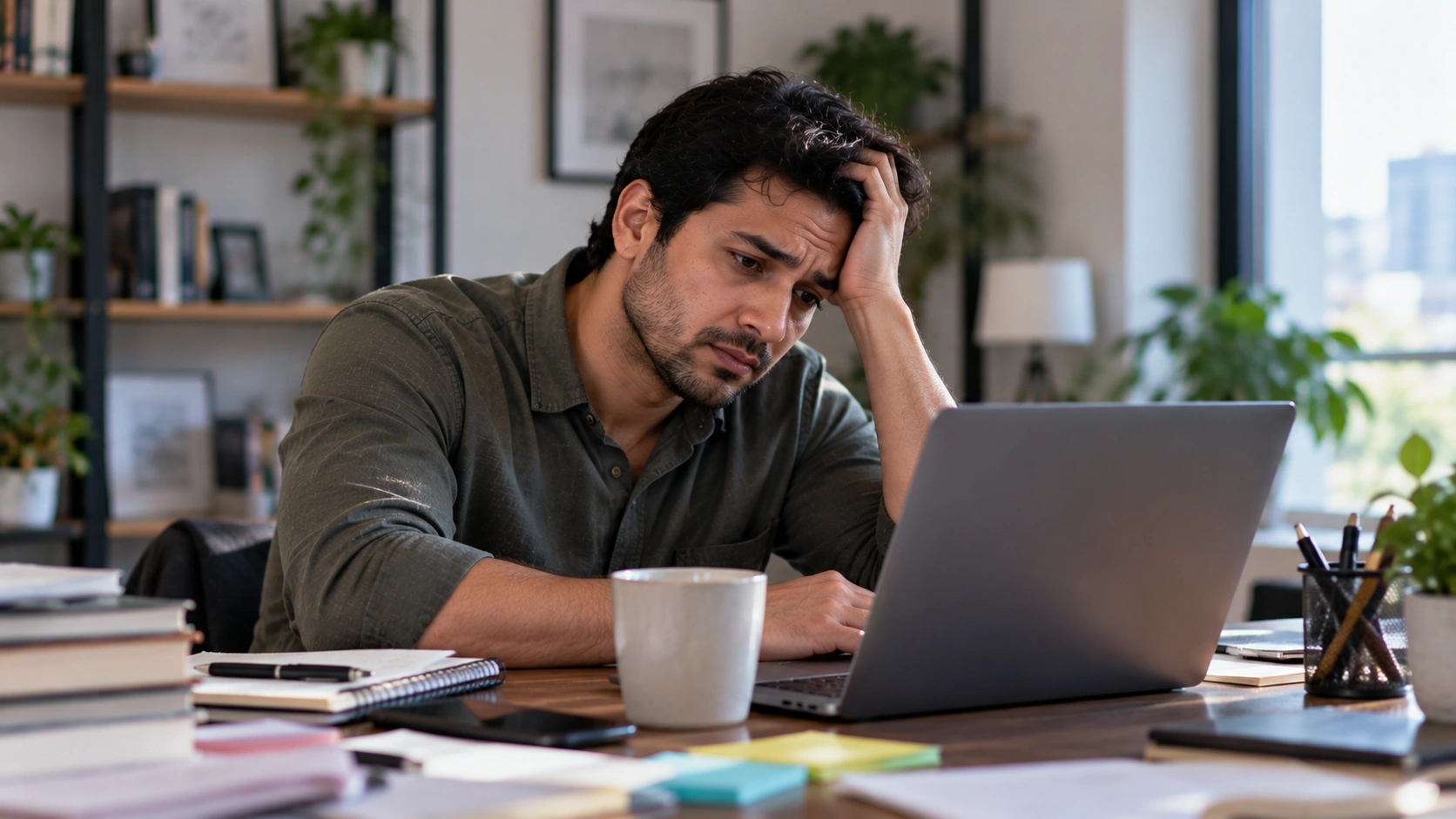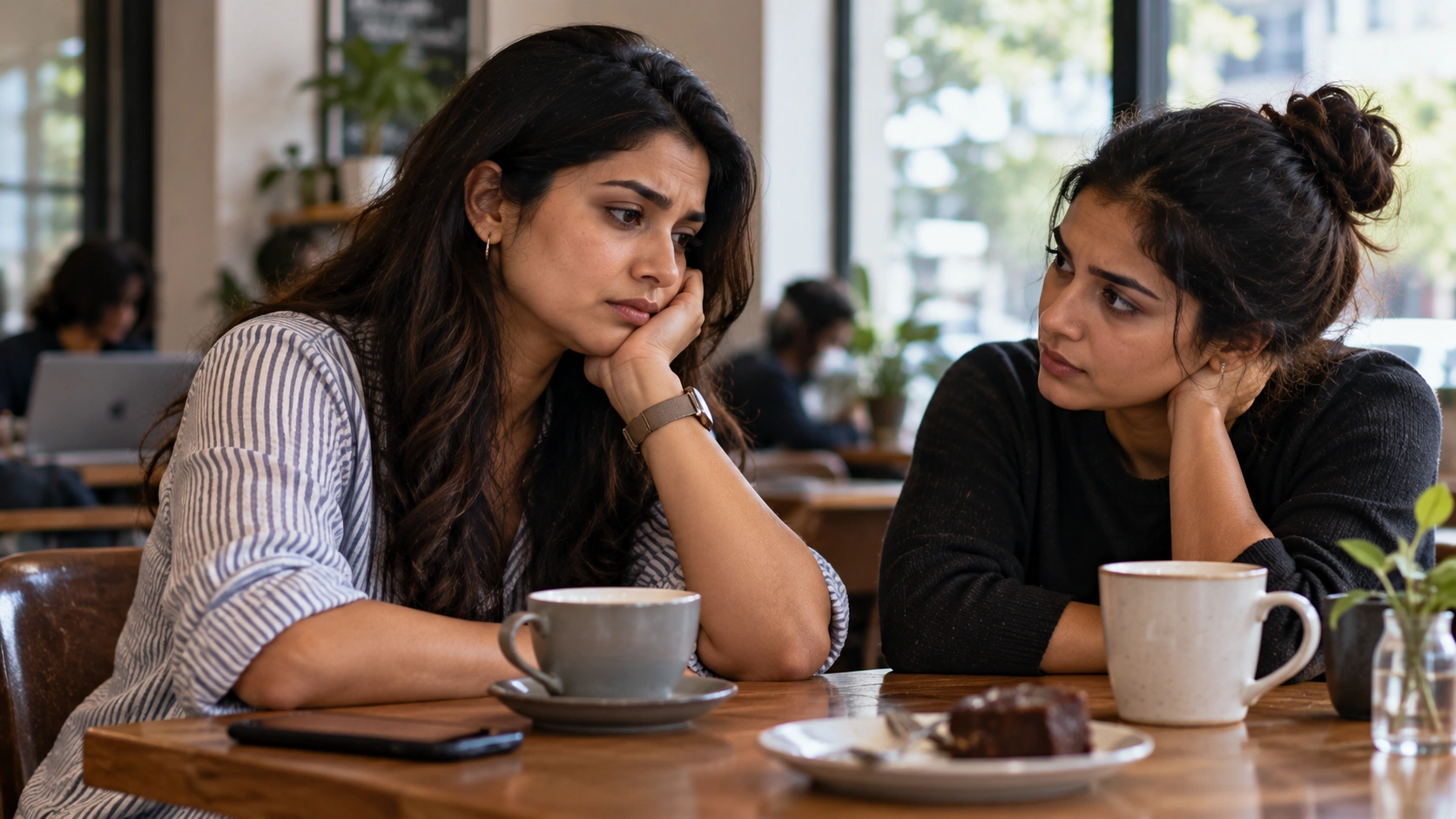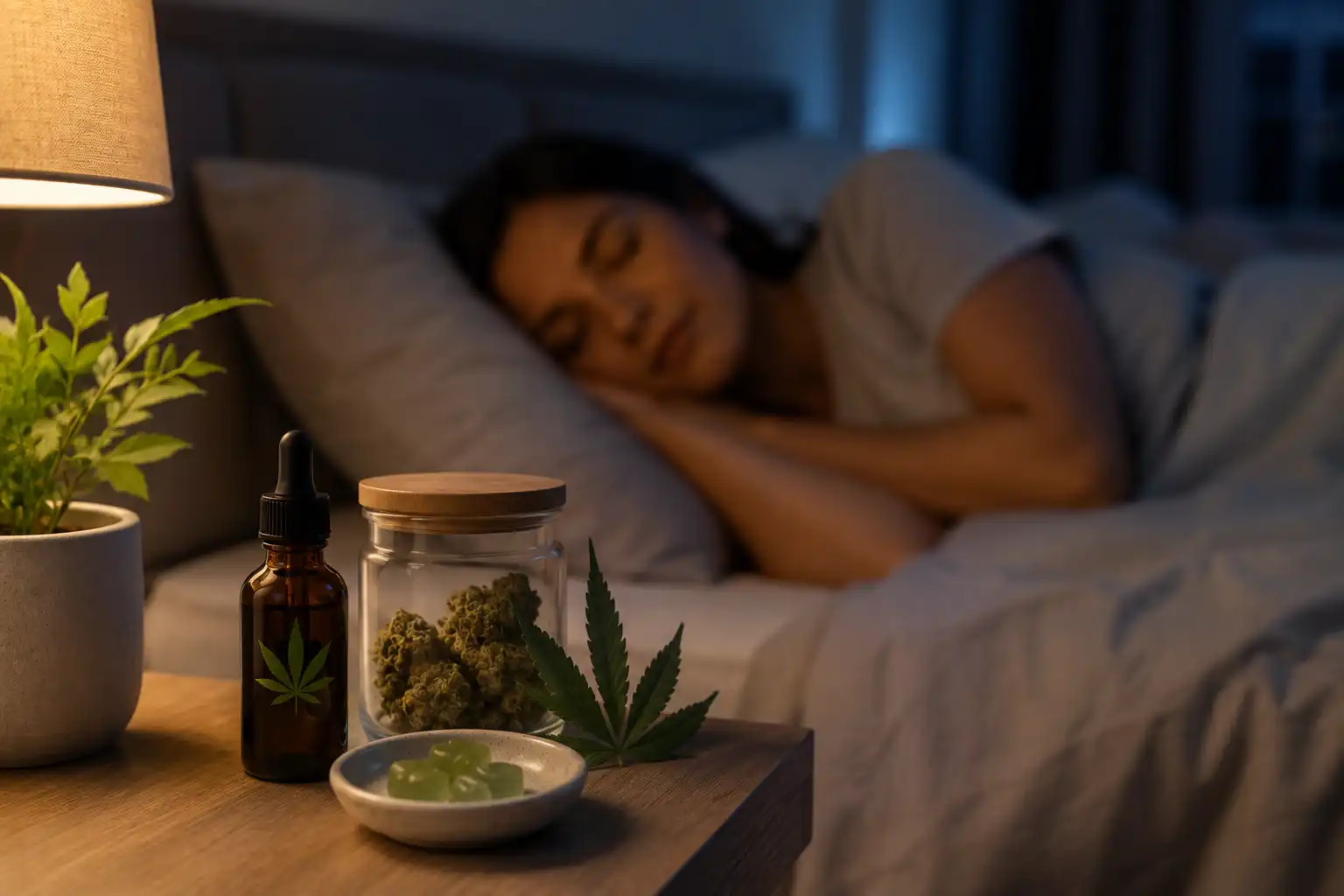
It is late at night. You are exhausted, but your mind refuses to switch off. You have tried changing your bedtime, reducing screen time and perhaps even counting the hours until morning. Someone then tells you that cannabis helps them sleep.
It sounds appealing, especially when sleep difficulties have been going on for weeks or months. But does cannabis actually improve sleep, or can it simply make you feel sleepy?
The relationship between cannabis and sleep is more complicated than either answer suggests. Research is growing, and some recent studies show potential benefits, but the evidence is not strong enough to treat cannabis as a straightforward or universally appropriate solution for insomnia.
Does Cannabis Actually Help You Sleep?
The short answer is: possibly, but the evidence is still developing, and the effects vary considerably between people, products and patterns of use.
A 2026 systematic review and meta-analysis of 10 randomised controlled trials involving 2,134 participants found that cannabinoids were associated with improvements in insomnia severity, sleep quality, total sleep time and sleep efficiency. However, adverse events such as dizziness and dry mouth were more common, and the researchers noted the need for larger and longer-term trials.
This distinction matters because feeling sedated is not necessarily the same as getting consistently restorative sleep.
What Does the Research Say About Cannabis and Sleep?
Cannabis contains several cannabinoids, with tetrahydrocannabinol (THC) and cannabidiol (CBD) being two of the best known.
Their effects are not identical, and research does not support treating all cannabis products as though they have the same effect on sleep.
A 2025 systematic review and meta-analysis of randomised studies found that cannabinoids improved self-reported sleep quality, particularly among people with insomnia or poor sleep. Interestingly, the analysis found a significant effect for non-CBD cannabinoid interventions, while CBD-only interventions did not show a significant improvement in sleep quality.
That does not mean CBD cannot affect sleep. It means that the current evidence is not strong enough to make a simple claim that CBD is an effective treatment for insomnia.
Another 2025 systematic review examining sleep architecture found that cannabis did not consistently change sleep duration, sleep onset, wake time, sleep efficiency or sleep stages. It also found that withdrawal from regular cannabis use was consistently associated with sleep disturbances, including difficulty falling asleep and reduced total sleep time.
So, when discussing cannabis and sleep, it is important to look beyond whether someone falls asleep more quickly.
Why Might Cannabis Make You Feel Sleepy?
Cannabinoids interact with the body’s endocannabinoid system, which is involved in several physiological processes, including sleep and arousal.
THC can produce psychoactive and sedating effects, which may make some people feel that their mind has slowed down enough to sleep. Cannabis may also affect other symptoms that interfere with sleep, such as pain or distress, in some circumstances.
However, individual responses can be very different.
The dose, cannabinoid composition, previous cannabis exposure and a person’s broader health circumstances can all influence the outcome. Research on sleep architecture also highlights considerable variation between studies, making it difficult to establish one predictable effect of cannabis on sleep.
This is one reason why the question should not simply be, “Does cannabis make people sleepy?”
A better question is:
“What is causing the sleep difficulty, and what happens to sleep over time?”
Can Cannabis Make Sleep Problems Worse?
This is where the conversation becomes particularly important.
Some people may experience short-term improvements in falling asleep, while frequent or prolonged use may be associated with poorer sleep patterns. Withdrawal can also temporarily disturb sleep, creating a cycle in which someone feels they need cannabis to sleep because stopping it makes sleep more difficult.
A 2025 review of recreational cannabis use found that sleep changes were more apparent among heavier users and people who began using cannabis earlier in life.
Cannabis can also produce unwanted effects such as dizziness and dry mouth, while THC can affect attention, perception and emotional responses. The risks and potential benefits depend on the individual and the circumstances.
This is particularly relevant when someone is already experiencing anxiety.
What If Anxiety Is the Real Reason You Cannot Sleep?
Sometimes insomnia is not primarily a sleep problem. It may be connected to anxiety, persistent worry, emotional distress or a mind that remains highly alert at bedtime.
If someone uses cannabis to quiet those thoughts, they may experience temporary relief without addressing the underlying pattern.
This is where anxiety therapy may be more useful than simply searching for something that makes you sleepy.
Therapy can help a person explore what happens before bedtime, identify recurring thought patterns and understand how anxiety affects behaviour, physical tension and sleep. It does not mean that every person with poor sleep needs therapy. It means that when emotional distress is contributing to the problem, addressing that distress may be an important part of improving overall wellbeing.
When Should Sleep Problems Be Taken Seriously?
Occasional poor sleep is common. A difficult week, stress, travel or a disrupted routine can temporarily affect sleep.
It becomes more important to seek professional advice when sleep difficulties are persistent or begin affecting everyday functioning.
Consider speaking with a healthcare professional if you are regularly experiencing:
- Difficulty falling or staying asleep
- Significant daytime tiredness
- Problems with concentration or functioning
- Persistent anxiety around sleep
- Increasing reliance on a substance or medication to sleep
- Sleep difficulties that continue despite changes to your routine
Sleep problems can have multiple causes, so identifying the underlying issue is often more useful than simply focusing on the symptom.
What I Observe as a Psychologist When Sleep and Anxiety Overlap
In my work, I often notice that people initially describe their concern very simply: “I just want to sleep.”
As we explore what is happening around bedtime, however, the picture can become much broader. Some people are carrying work-related stress into the night. Others are replaying conversations, anticipating problems for the next day or feeling anxious about not getting enough sleep.
I have also observed that people can become frightened by their own sleep pattern. After several difficult nights, bedtime itself can become associated with worry: What if I cannot sleep again tonight?
That anticipation can become part of the experience.
In these situations, I do not see the answer as simply finding something that makes the person drowsy. I am more interested in understanding what their mind and body are responding to, what patterns have developed around sleep and what kind of support might help.
The experience is different for every individual. Sometimes the most useful step is addressing anxiety. Sometimes it involves changing behavioural patterns around sleep. And sometimes it means encouraging someone to speak with a medical professional about an underlying health or sleep condition.
The important thing is to understand the whole picture rather than assuming one substance will solve it.
- Tanu Choksi (Psychologist)
Can Individual Counselling Help With Sleep-Related Anxiety?
When sleep difficulties are connected to emotional distress, individual counselling can provide a private space to explore the thoughts, feelings and behavioural patterns involved.
Tanu Choksi’s practice offers individual therapy in a confidential setting, with an approach focused on understanding emotions and developing more adaptive coping mechanisms. Therapy may be relevant when anxiety, stress, life changes or other emotional concerns are affecting everyday functioning.
For someone considering cannabis because anxiety is keeping them awake, the goal may be less about finding another sleep aid and more about understanding what is keeping the nervous system alert in the first place.
What Should You Take Away About Cannabis and Sleep?
The emerging research does not support a simple “yes” or “no” answer.
- Some controlled studies suggest cannabinoids may improve sleep quality or insomnia symptoms.
- Evidence about CBD alone remains limited and inconsistent.
- Effects can vary depending on the cannabinoid, dose, person and pattern of use.
- Cannabis may affect sleep architecture, although recent evidence remains mixed.
- Regular use and withdrawal can both be associated with sleep difficulties.
- Sleep problems caused or worsened by anxiety may require attention to the underlying emotional pattern.
- Cannabis should not automatically be treated as a substitute for assessment or evidence-based treatment of persistent insomnia.
Understanding Your Sleep Before Trying to Fix It
The growing research on cannabis and sleep is interesting precisely because it has not produced a simple answer.
Some people may experience short-term sleep benefits, but that does not establish cannabis as a reliable long-term treatment for insomnia. The evidence continues to evolve, particularly around different cannabinoid formulations, long-term use and objective measures of sleep.
If anxiety, stress or emotional distress is keeping you awake, understanding that pattern may be a more useful starting point than simply trying to make yourself sleepy.
Need Help Understanding What Is Keeping You Awake?
If persistent worry, anxiety or emotional distress is affecting your sleep and everyday life, professional support can provide a confidential space to explore what may be contributing to the pattern. Tanu Choksi offers individual therapy and support for concerns including anxiety and emotional wellbeing.
Frequently Asked Questions
Q1. Can cannabis help with insomnia?
A. Research suggests that some cannabinoid products may improve insomnia symptoms and subjective sleep quality in some adults. However, the evidence remains limited and varied, particularly regarding long-term effectiveness. A 2026 meta-analysis found potential benefits but also highlighted the need for larger and longer studies.
Q2. Is CBD effective for sleep?
A. The evidence for CBD alone is currently inconclusive. A 2025 meta-analysis found that non-CBD cannabinoid interventions improved subjective sleep quality, while CBD-only interventions did not show a significant effect. More research is needed before CBD can be considered a reliable treatment for insomnia.
Q3. Can cannabis make sleep problems worse?
A. It can. Although some people may experience short-term sleep benefits, regular use and withdrawal can both be associated with sleep disturbances. Recent research has found that stopping cannabis after active use can lead to difficulty falling asleep, reduced sleep time and other sleep changes.
Q4. Can anxiety cause difficulty sleeping?
A. Yes. Anxiety can involve persistent worry, mental overactivity and heightened alertness, all of which can make it harder to fall or stay asleep. When anxiety is contributing to sleep difficulties, addressing the underlying emotional pattern may be more useful than focusing only on the symptom.
Q5. Can therapy help if anxiety is affecting my sleep?
A. Therapy can provide a structured and confidential space to explore anxiety, recurring thoughts, emotional responses and behavioural patterns that may be affecting sleep. Individual therapy may be appropriate when these difficulties persist or begin interfering with everyday life.