Introduction
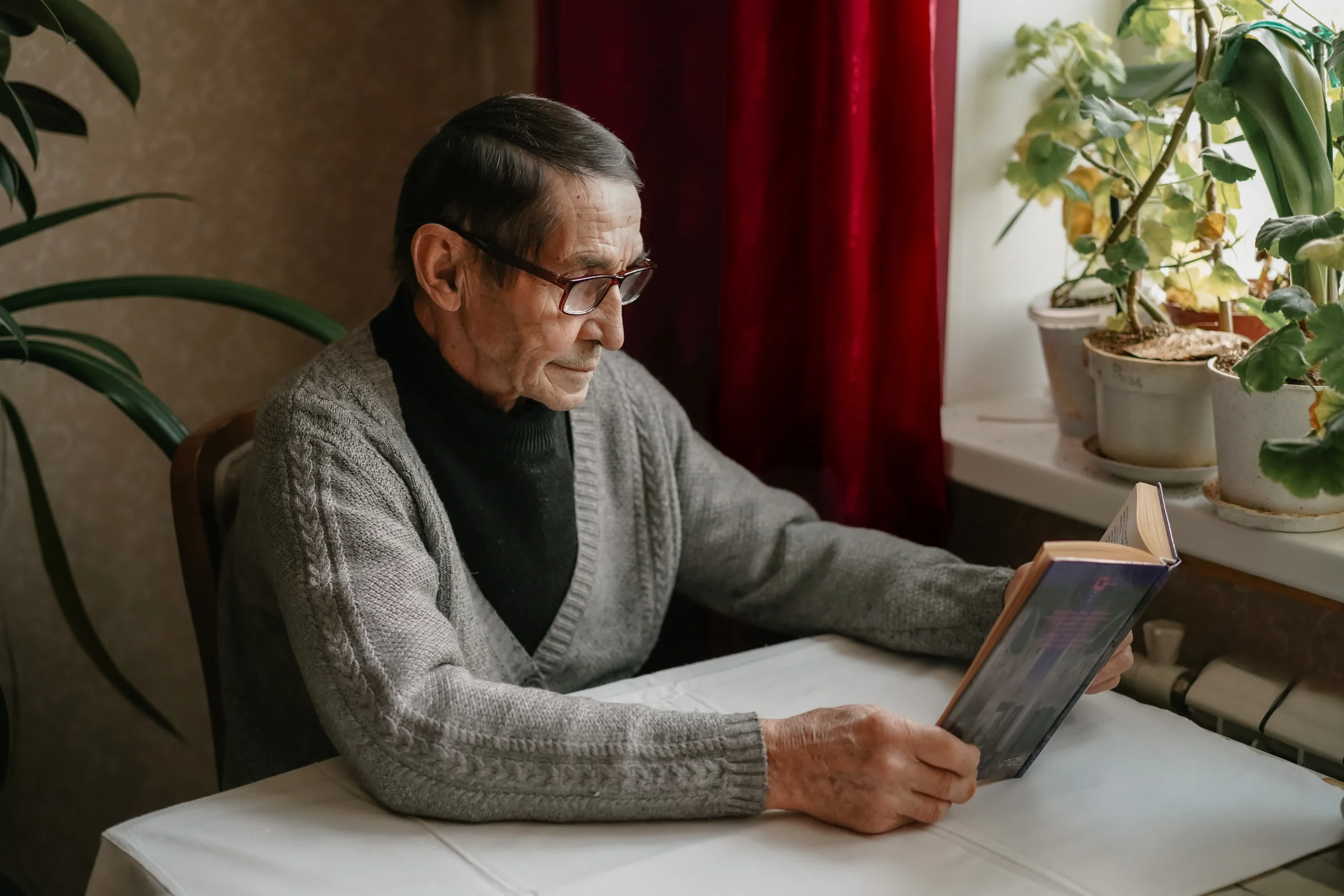
Over the years, we have been of the opinion that technology is something that is in the hands of the youthful – quick, flexible, and never offline. But of late I have witnessed a silent revolution. The elderly are no longer just learning to use technology: they are utilizing technology to exercise their minds.
As a registered psychologist in India, I have observed the way online interactions can retrain the brain to work more effectively – enhancing such competencies as memory, self-confidence, and social bonds. I will describe how this change is occurring and the implications on long-term psychological health in this work.
What Is The Relationship Between Technology and the Aging Brain?
The brain of a human being survives on stimulants. Regardless of whether it’s learning a language or using a smartphone, any new skill develops new neural pathways.
In the case of older adults, this mechanism is referred to as neuroplasticity and aids in cognitive wellness and emotional stabilization.
This is what I tend to tell the clients:
- The novelty of tools is a strain on the brain. The emerging interface enhances problem-solving.
- Isolation is fought by social apps. Being sociable through technology enhances mood and decreases depressive symptoms.
- Online literacy has a healing effect. The knowledge of gadgets contributes to making older adults feel self-sufficient and competent.
These causes are reminiscent of what we point out during therapy: curiosity will make the mind up to date.
Why It Matters Now
The population of persons aged 60 and above is increasing at a higher rate compared to any other age group on the globe. Older age does not necessarily result in cognitive deterioration. Mental velocity is similar to muscle – the more we exercise it, the better it gets.
- Cognitive Health
Playing with technology provides a workout to the brain, thinking, and attention. Studies also indicate that cognitive impairment can be slowed down by engaging in strategy and learning application games. - Emotional Balance
Anxiety and depression are usually enhanced by loneliness. Being emotionally healthy and keeping in touch with family – through video calls or online communities – can help maintain emotional well-being, which therapists in Mumbai and other countries now promote throughout sessions. - Confidence and Control
Surviving with new technology creates a feeling of achievement. It substitutes fear with empowerment, which is a necessary change to self-esteem later in life.

The Way Technology Resilience Is Built in the Brain
From a psychological perspective, the plasticity of the brain is dependent on four processes:
- Learning – Introduction to new ideas and competencies.
- Interaction – Response to emotional bonding.
- Consistency – Repetition makes the neural connections stronger.
- Reflection – Going over or talking about what was learned makes the processes better remembered.
This is achieved when older clients take steps as basic as learning to send photos or read digital news. I see more engagement, better mood control, and more optimism in the aging process.
What Are The Typical Obstacles and the Obstacle Solutions
It is natural that older people are reluctant to embrace technology. The usual thing that I hear is, “I will simply ruin it.” The brain, however, does this by protecting comfort zones through fear. The good news is that change can be brought about through soft persuasion.
The following are some of the strategies that I would suggest:
- Start small. Learn one app or tool at a time.
- Ask for guidance. Tasks should be broken into simple steps with the assistance of family members or therapists.
- Use emotion as motivation. Pair the technology with meaningfulness – such as chatting with grandchildren or using old memories on the internet.
- Be patient. The improvements can be gradual, although each step will be valuable to developing mental flexibility.
The truth? Battling with new technology does not imply being incompetent – it implies that there is growth taking place.
What Are The Trends That Are Reshaping the Well-Being of Seniors
Across the world, healthcare and the psychology fraternity are adopting tech towards senior mental health:
- Online therapy sessions spent with single individual therapists serve as emotional support to clients with low mobility.
- Cognitive stimulation and attention enhancement are supported by brain-training apps.
- Wearables track patterns of sleep, stress, and mood, promoting early mental-health response.
These tools are today being incorporated by many psychologists in India to complement therapy – a contribution to science, compassion, and innovation.
Getting Loved Ones to Remain Online
Identify one aspect where your parents or grandparents are reluctant to embrace technology and start with that.
- Share a playlist.
- Show them how to video call.
- Have a virtual lesson in digital literacy.
It is not about understanding the technology – it is instead about being curious. Everyone becomes stronger, not only with their brain, but also with their bond.
Let’s Reimagine Aging
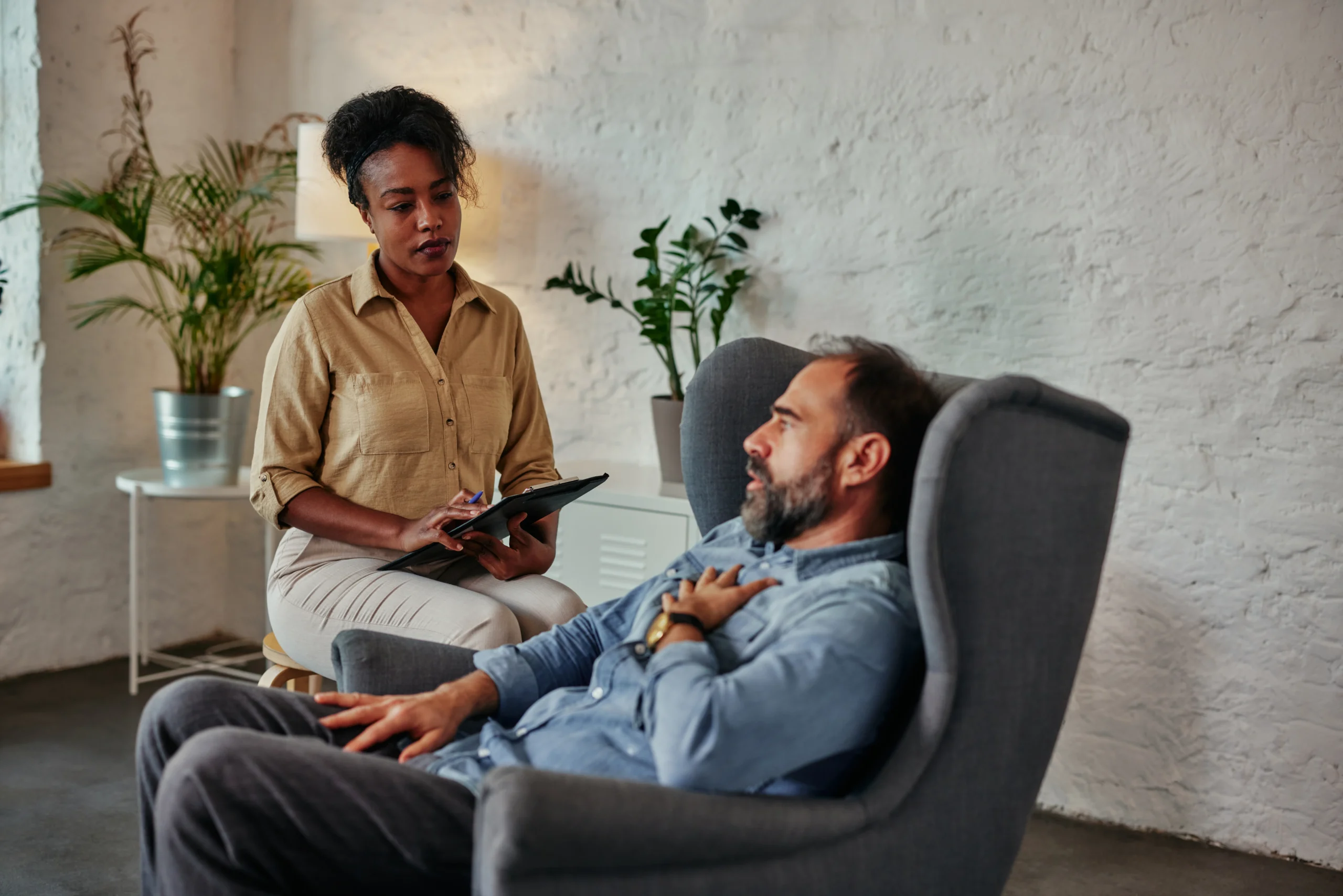
In the same case, in case you or someone you love would want to consider cognitive health, therapy can be used to establish factors that strengthen the mind and habits that add to the resilience of the brain.
Together with the help of exercises, emotional processing, and computer interaction, we will be able to experience aging as a powerful process – not a lonely one.
Conclusion
I have worked with elderly people as a therapist in Mumbai and have witnessed how technology has enabled older adults to be creative, confident, and renew their purpose. Young people cannot make wits so fine – but it’s a curiosity.
Any tap, any message, any new application is a move towards keeping the brain alive, flexible, and full of possibilities. Learn, reflect, and heal – follow Tanu Choksi on Instagram, LinkedIn, and Facebook for expert insights on therapy and self-understanding.