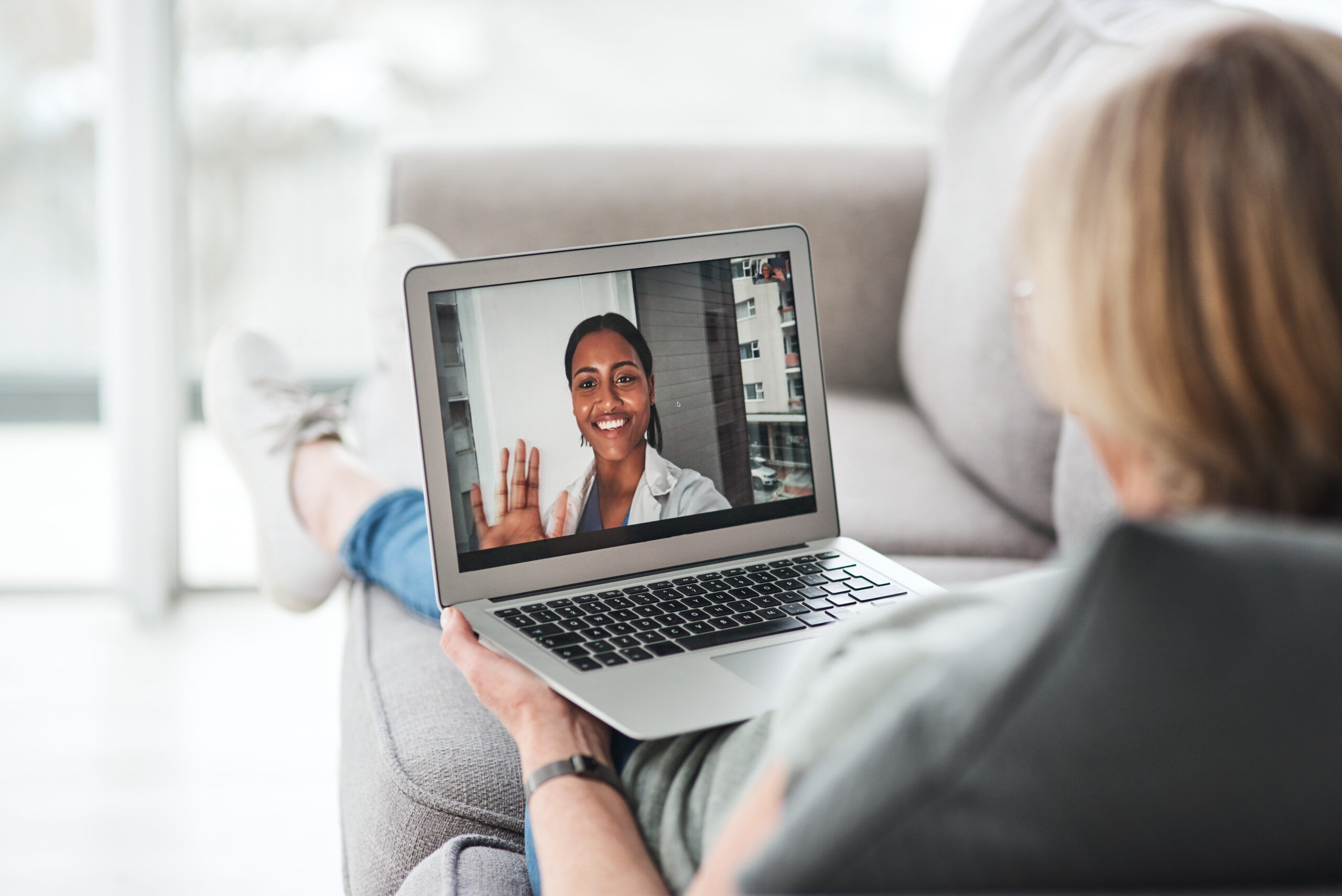
The COVID-19 pandemic transformed the world of therapy. Video sessions became a necessity. Years later, we now have a better understanding of what works, when it works and for whom.
The short answer is: both work. The longer answer is more complex – it depends on you.
Offline Therapy (In-Person) – The Traditional Format

What it offers
Face to face:
Being in the same room can have a powerful impact. Your therapist can observe body language, movement, pauses and breathing patterns before difficult conversations.
Less distraction:
You are in a dedicated space with fewer interruptions. This often makes it easier to open up.
Grounding during distress:
In-person sessions can help people feel more grounded in their body, especially during trauma or acute anxiety.
Ritual & commitment:
Going to an office creates structure. You’re making time, travelling to a space and fully attending the session.
What’s challenging
Logistics:
If you live far from the therapist’s office, you may travel a long distance for a 50-minute session.
System overload:
Appointment availability may be limited. Some therapists have long waiting periods.
Cost:
Some face-to-face sessions may be more expensive because therapists must maintain office space.
Being vulnerable in person:
Some individuals initially find face-to-face conversations more intimidating than virtual sessions.
These are typical factors to consider when it comes to offline therapy.
Online Therapy – A Flexible Alternative
What it offers
Convenience:
Sessions can be attended from home, the office, or any private space with a stable internet connection.
Accessibility:
You can access a larger number of therapists beyond your location.
Flexibility:
It fits more easily into busy schedules.
Privacy & comfort:
For some people, familiar surroundings reduce pressure.
Lower cost:
Therapists may have lower overhead expenses, making sessions more affordable.
Consistency:
People are less likely to miss sessions.
What’s challenging
Internet connection problems:
Technical issues can interrupt the session and become frustrating.
Fewer body cues:
A screen limits some non-verbal communication.
Distractions at home:
Family interruptions, notifications or pets can affect focus.
Limited physical presence:
Some individuals processing severe trauma may prefer the additional sense of safety and grounding that an in-person environment can provide.
These are some of the realities of online therapy.
Which is More Effective? The Research Says
Research suggests that online and in-person therapy can produce comparable outcomes for many common mental health concerns, particularly anxiety and depression.
However:
- For Anxiety and Depression: For many individuals experiencing anxiety or depression, online therapy has been shown to be similarly effective to in-person therapy when delivered appropriately.
- Trauma: Trauma-focused therapy can be delivered effectively online or in person, although some individuals report feeling more grounded during face-to-face sessions, particularly when working through intense emotional experiences.
- Relationship Problems: For couples therapy, some people find in-person sessions more conducive to communication and connection, although online couples therapy can also be highly effective.
- Continued Support: Online sessions often improve accessibility and convenience, potentially supporting better attendance and continuity of care.
The Real Factor – The Relationship
The most important thing is whether you trust your therapist. Do you feel heard and understood?
I’ve had people do deep emotional work through video sessions. I’ve also had clients who felt more connected sitting in the same room.
In most cases, the quality of the therapeutic relationship has a greater impact on outcomes than whether therapy takes place online or in person.
How to Choose – What is Right for You?
Choose offline (in-person) if:
- You are dealing with trauma and need grounding
- You like having a dedicated therapeutic space
- Your therapist is nearby and accessible
- Structure and routines help you stay committed
- You feel more comfortable speaking face-to-face
Choose online if:
- Your schedule is hectic and travel is difficult
- You live somewhere with limited therapy options
- You prefer the privacy and comfort of home
- You travel frequently
- Cost is an important factor
The Hybrid Approach
Some people use both approaches. Some individuals prefer a hybrid approach, using in-person sessions during particularly stressful periods and online sessions for ongoing support.
This isn’t a limitation of online therapy it’s about understanding what works best for your needs.
What I’ve Learned from Both
Face-to-face sessions
In-person sessions may make it easier to notice subtle non-verbal cues such as posture changes, facial expressions, or physical tension.
Online sessions
Sometimes people feel more relaxed in their own environment. Some individuals feel more comfortable opening up in familiar surroundings, which can enhance emotional safety and engagement.
Online sessions also tend to have fewer cancellations because the barriers are lower.
Key Takeaway
The most effective therapy is often the format that allows you to engage consistently, comfortably, and honestly in the therapeutic process.
If online sessions help you show up consistently do online therapy. If you need the grounding of in-person work choose offline therapy.
The most important thing is showing up honestly and doing the work.
What matters most is finding a therapeutic approach that fits your needs, lifestyle, and goals.
Follow Tanu Choksi on Instagram, LinkedIn, and Facebook for expert insights on therapy and self-understanding.