Introduction
We exist in a world of divided opinions, which are political, cultural, and social. However, results of intriguing new studies show that individuals at the other end of the political divide can be much closer to thinking as we thought.
This discovery is highly informative to me as an Indian-licensed psychologist in India not only on a scientific level but on an emotional one as well. This blog will elaborate on what researchers discovered about the brains of extreme thinkers and the information it contained about human behavior and identity as well as empathy.
What the Study Found?
Recent paper in Journal Of Nature Human Behaviour was based on observation of highly political individuals whether liberal or conservative. By brain imaging, scientists found that though their views were different, their brain activity in terms of emotional or ideological activities showed a very similar pattern.
In essence:
- Political information is less processed rationally than emotionally by extreme thinkers, be they left or right.
- As compared to the typical brain, their brain activity is increased in the regions associated with fear, moral decision making and group affiliation.
- Moderate thinkers, on the other hand, use areas that are related to rationality and adaptability.

This is what I find in therapy as a polarizer is driven by emotional intensity, not ideology as an individual therapist.
Why This Matters for All of Us?
- It Demonstrates How the Heart Determines the Faith.
Emotion does not stand apart of logic, it informs it. When we are intimidated or we are ignored, our brains kick to defense mode. When we know this, then we can reason without being judgmental in our arguments. - It Emphasizes Human Togetherness.
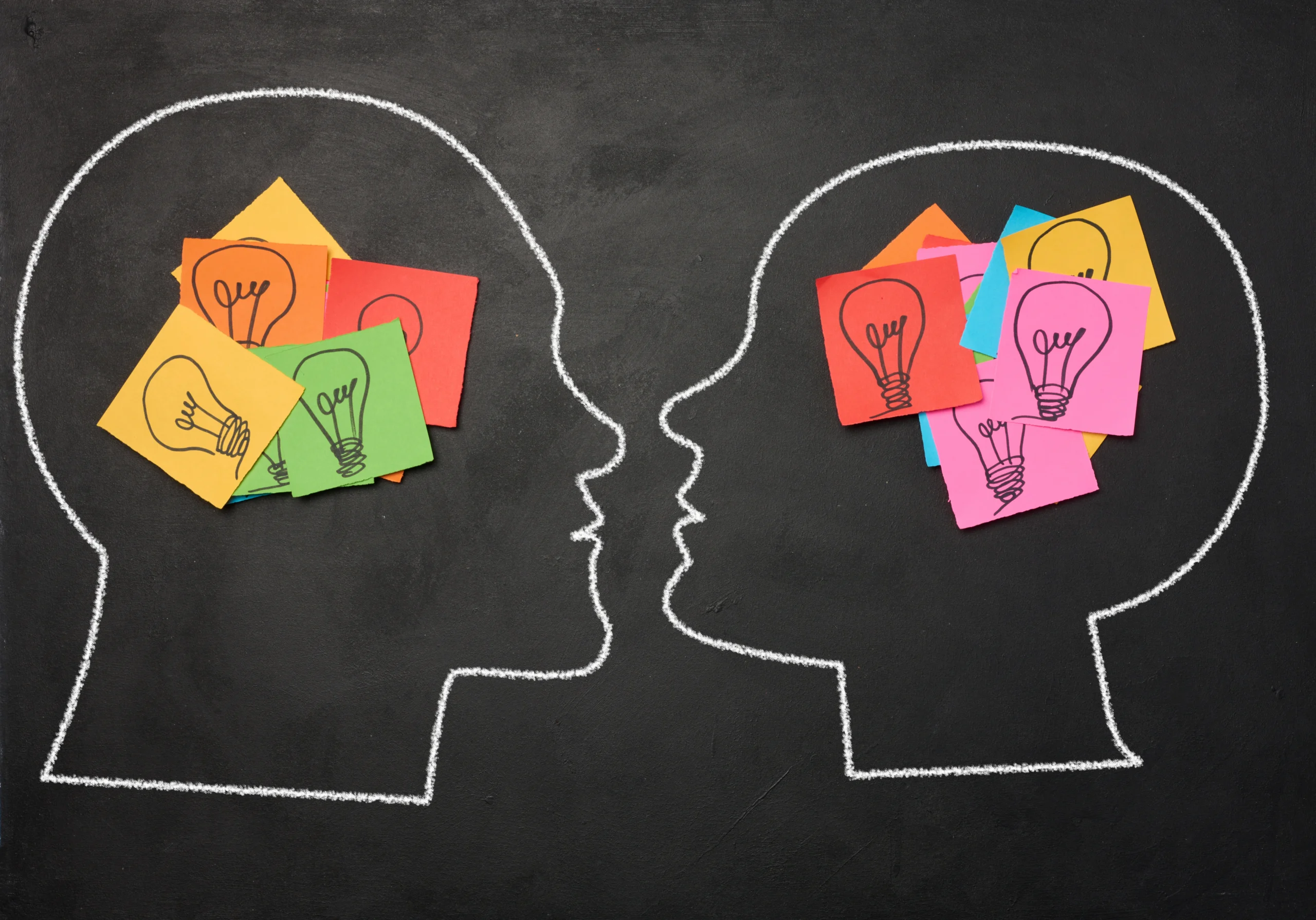
The same people, who are in deep disagreement with each other, are similarly wired neurologically. This is in the sense that it is always possible to be connected, to understand when we can learn to control the feeling first then respond. - It Helps Build Empathy.
To therapists and counselors, this result results in a fact that we have always understood: deprive us of labels and all people need safety and belonging and meaning.
What Are The Fundamental Characteristics of Unreasonableness?
Extreme thinking in therapy as well as in research is usually an expression of certain psychological trends:
- Cognitive Rigidity – This is the inability to see some alternative ways.
- Moral Absolutism – Convinced that one is right in all her values.
- Group Reinforcement – The need to find acceptance with communities of like-minded individuals.
- Emotional Reward – A sense of fulfilment or mastery of definite thing.
This is no faults it is defence mechanisms. The brain tries to find some stability in the uncertain world and it might involve holding on to the fixed beliefs.
What Is The Way the Brain Strengthens Extremes?
Many times I could have found myself as a psychologist in India explaining to clients that it is normal that the brain tends towards patterns that it is accustomed to. Neural pathways become powerfully involved eventually through habitual exposure to emotionally colored news, or social interactions, or even debates.
Here’s how the cycle works:
- Trigger: The review of conflicting views causes the activation of such emotional centers as the amygdala.
- Reinforcement: The brain is released by sharing or defending beliefs dopamine, which is the chemical of reward.
- Confirmation: The reinforcement reinforces the sense of certainty, as it makes one less tolerant of ambiguity.
- Isolation: People start interacting with those who affirm their view of the world.
To stop this cycle, we have to be thoughtful and caring about ourselves and others.
What Are The Problems and General Myths?
- “Extremists are irrational.”
As a matter of fact, every human is an emotional decision-maker. Emotion is often subject to logic as opposed to the inverse. - “Moderates lack conviction.”
Adaptable does not mean weak, it is emotional intelligence. It gives room to expansiveness and communication. - “One cannot alter fundamental convictions through therapy.”
Although therapy did not make people forget their beliefs, it taught them to question why they have them and what emotional need they fulfil which is the most important step to empathy and balance.
What Is The Therapeutical Value and the Role of Dialog?
As an individual therapist, I have learned that everyone can come together even when their divisions are rooted based on a sincere understanding of each other.
Here’s how therapy helps:
- Locating the Emotional Triggers – Precisely what drives the reactivity.
- Mindful Dialogues – Being able to listen defensively.
- Developing the Tolerance of Ambiguity – Amplifying the acceptance of uncertainty.
Be it the political tension, the conflict in the family or the internal struggle, emotional sensitivity is the greatest intermediate of extremes.
Looking Ahead
This study has massive potential in social healing. These insights can inspire critical empathy, which we as therapists, educators and global citizens can foster as a way of responding to difference without being afraid.
When both sides of an argument have similar brain patterns then it implies that reconciliation is not totally impossible. It is neurophysiology demonstrating that we have the brain to connect despite being separated by ideology.
Talking About Emotional Understanding.
Should polarization become overwhelming in relationships or at workplace or communities, then you can find the guidance of a therapist to be interested in how you react without being judgmental. We can be taught by self-awareness, reflection and communicating with compassion to approach difference with understanding and not defensiveness.
Conclusion
Being an old therapist in Mumbai, I feel this study makes us remember something so simple and so deep such as that although we may think differently, our brains have a common story.
It is true that being aware of shared humanity is the first step towards unity, and maybe, the most crucial treatment the world requires
Learn, reflect, and heal – follow Tanu Choksi on Instagram, LinkedIn, and Facebook for expert insights on therapy and self-understanding..