Introduction
One of the questions I am surprised to hear during my sessions is, why do I like being scared? Since sweet adolescents watch horror movies like madmen and little children mimic the scenes or see them as really spooky, our interest in fear is as human as it is. Being a Licensed psychologist in India, I have observed how the scary movies may be exhilarating to some -and crippling to others. Through this article, I would lay out the reasoning behind my love of the scary movie, how fear operates within the brain, and the instances under which this appeal is an indicator of anxiety, particularly on children who could use counseling as a child.
What Is the Psychological Connotation of Loving to Scare Movies?
The use of scary movies provokes fear in the safe environment. Your brain responds and acts like something is dangerous, yet your rational thinking brain does not incriminate you as it is probably safe.
As a psychological perspective, this entails:
- Amygdala (center of the brain that is associated with fear) is activated.
- Adrenaline and dopamine are released.
- Temporary stress reaction and consequent relief.
As a psychologist in india, I inform customers that this process is like a roller coaster–there is so much to be scared of and then release of emotions.
How can Scary Movies Be so Attractive?
Emotional Release
The suppressed emotions can be brought out without any harm because of fear. A lot of individuals become light after watching a horror film.
Sense of Control
In contrast to the real life stress, the scary movies end by choice. It is empowering to this control.
Social Bonding
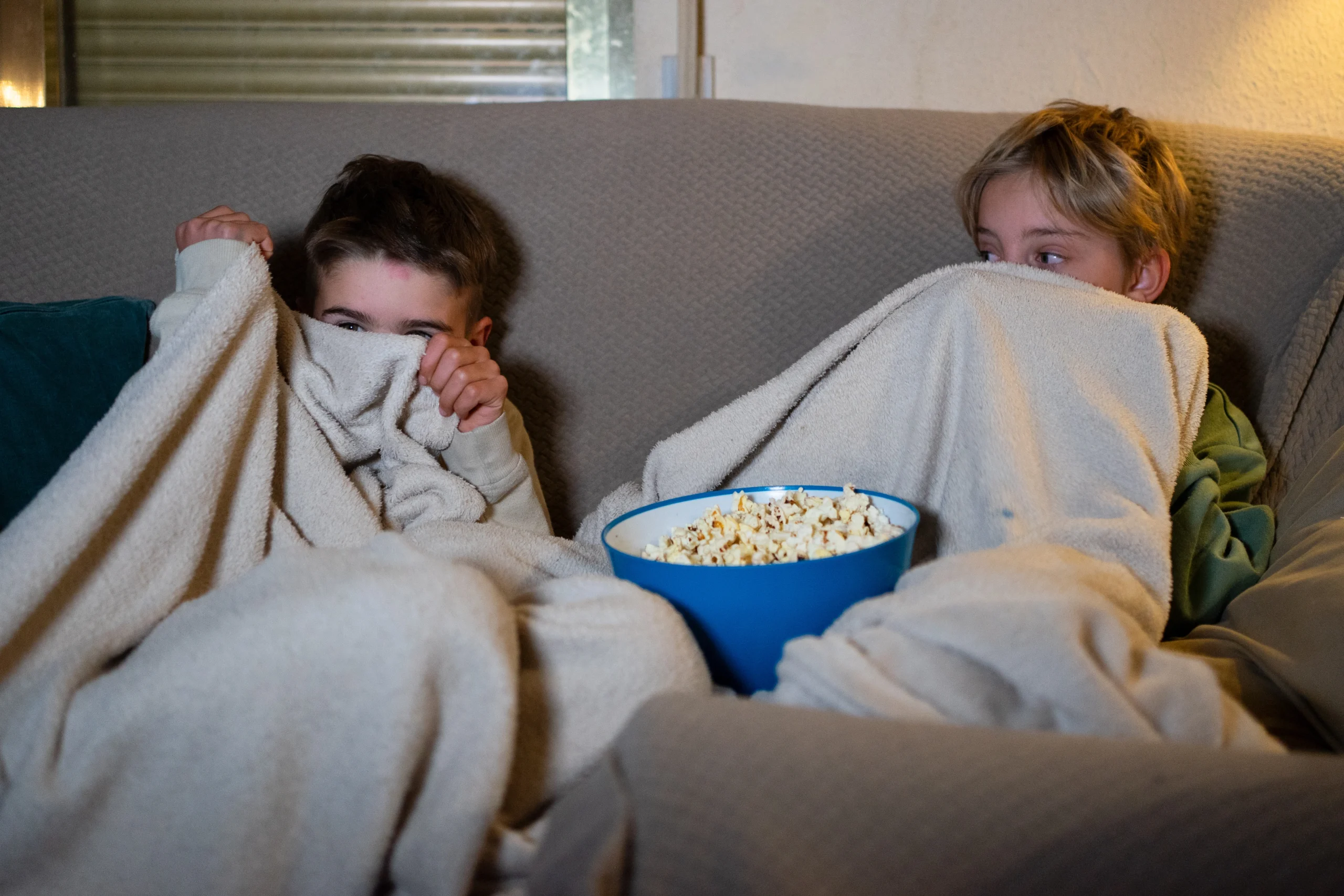
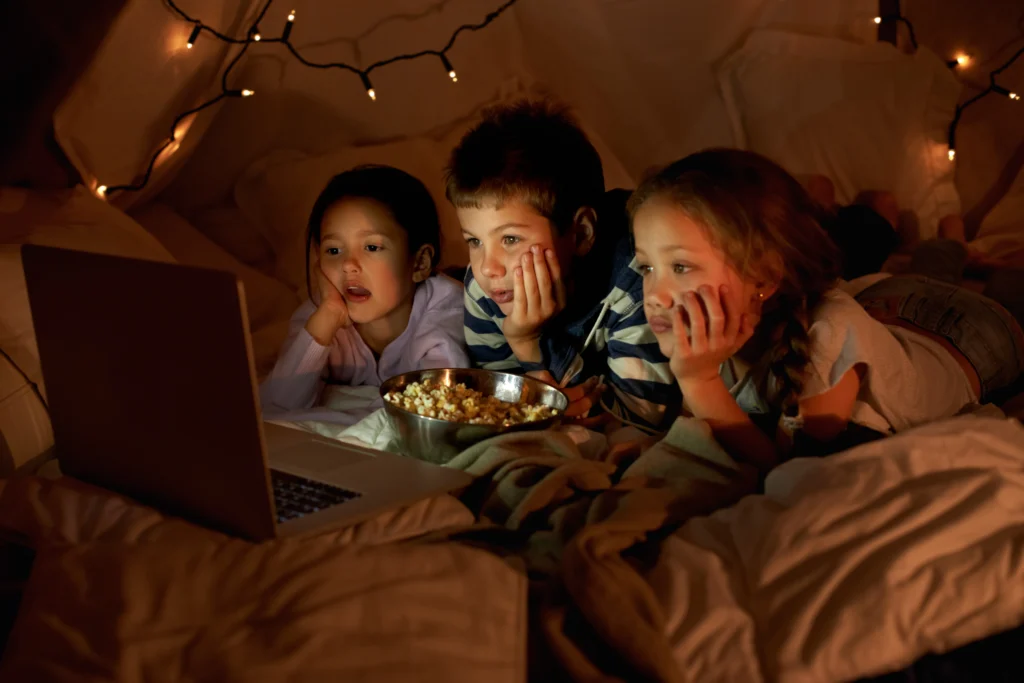
Combining to watch scary movies is a good bonding experience, particularly with teens and families.
Curiosity About the Unknown
Mystery, darkness and uncovers tend to be the elements of the human mind that are naturally attracted by.
Danone Adrenaline No Real Risk
There is no real danger to the body, kindly; the body is pleased with the chemical rushing.
I usually encounter clients who love having horror movies but have problem with daily anxiety. This contrast is crucial in child counseling and engaged in adult mental work.
Substantial Psychological Theories in Fear Pleasure
- The certain uncertainty – bounded fear.
- Emotional mastery – that survived me feeling.
- Dopamine reaction – stress delight.
- Narrative safety – the awareness of fiction.
In the case of children however, the same factors can act in the opposite direction particularly in the case when emotional regulation is still underway.
How Fear Works in the Brain
- The brain perceives danger (even imaginary).
- The amygdala triggers the fight-or-flight.
- Adrenaline and cortisol form are discharged.
- The rational brain creates a feeling of safety.
- Dopamine brings out pleasure following relief.
As a Licensed psychologist in India, I would determine that this is a healthy process or it is overstimulating, particularly in children exhibiting sleeping disturbances, clinging, or panic disorders.
Stereotypes about Scary Movies
In case my child prefers horror, he/she is emotionally tough.
Not always. Fear is absorbed unspoken among some children.
Anxiety decreases when one fears being exposed.
Without emotional support anxiety can be exacerbated in an unstructured exposure.
“It’s just entertainment”
Constant fear can have an effect on mood, sleep thoughts, and emotional control.
This is where in child counseling, the role of assisting children to go through fear in a safe manner is much needed.
Future Trends: Fear, Mental Health & Digital Exposure
- Attainment of more access to horror material on OTTs.
- Younger exposure ages
- Increasing number of search results of Online depression and anxiety tests in India.
- Parents requesting early psychological testing.
I am more and more able to suggest screening tools and led discussion instead of implies bans.
When Should You Seek Help?
Signs to watch for:
- Nightmares or phobia to be alone.
- Avoidance behaviors
- Fear following exposure to media.
- Childhood regressive behavior.
When such occur, it is possible to seek a psychologist in india or even choose child counseling in order to establish the underlying emotional requirements.
Call to Action
In case either you or your kid are scared to the witless, either on screen or off, then take heed. My advice to parents and adults is to undertake professional help such as Online depression and anxiety tests in India as a step to seek a clear emotional state.
Conclusion
To love scary movies is not to say that there is something wrong with you. Actually, fear can be interesting, unifying and even curing, when one safely practices them. Nonetheless, as a Licensed psychologist in India I have been educated that fear also displays emotional patterns that we tend to ignore. Children particularly should not be dismissed; they should be guided on fear. Awareness, testing or child counseling will make us feel safer not only in the case of movies, but in life itself too since we will know our relation with fear.
FAQs
Does the preference of scary movies have any relation with anxiety?
Not always. Fear is recreational to a great number of people. Nevertheless, in case fear also flows into everyday life, this could be the first sign of anxiety that should be investigated.
Do horror films harm children?
It is based on age, sensitiveness and emotional support. Not all children cope with fear, others might require counseling with children.
Do horror films lead to difficulties in sleeping?
Yes. Repetitive exposure may interfere with sleep habits especially in children and nervous adults.
At what point of time should I seek the services of a psychologist in India?
Professional support may be provided in the event of fear that results to avoidance, or panic, or any change in behavior.
Are online tests on depression and anxiety useful?
They make a good point of departure – but must be taken up by professional assessment to proper direction.